



Foreplay: The Honest Numbers Every Indian Couple Needs to Read
Most couples in India are having sex that does not work very well for at least one of them. Most of them know something is off. Almost none of them know it has a specific, measurable, fixable cause.
The cause is foreplay. Not the concept of it, which most people have heard of. The actual time, physiology, and understanding of what it does to the body and why it is not optional. The gap between knowing foreplay exists and understanding what the research says about it is where most of the frustration lives.
Here are the numbers. Here is what they mean.
20 Minutes
That is approximately how long adequate arousal takes for most women before penetrative sex is physiologically comfortable.
This is not an opinion. It is anatomy. Female arousal involves a process called vaginal tenting, where the vaginal canal lengthens and expands, and transudation, where natural lubrication is produced through the vaginal walls. Both processes are driven by blood flow to pelvic tissue, which takes time to build.
The average time from zero arousal to full physiological readiness varies between individuals, but research consistently places it in the 15 to 25 minute range for most women. Penetration before this process is complete is physically uncomfortable at best and painful at worst.
The average duration of total sexual activity reported in surveys of Indian couples, foreplay included, is under 15 minutes.
These two numbers explain a significant portion of the pain during sex, the difficulty reaching orgasm, and the gradual decline in desire that many women in long-term relationships experience. Not a compatibility problem. Not a mismatch of desire. A timing problem.
Myra, 30, from Bengaluru, spent three years of marriage believing she was "not built for sex" because penetration was often painful and she rarely orgasmed. A candid conversation with a gynaecologist in her fourth year of marriage produced the first honest explanation she had ever received: she was not aroused before sex began. Her body was not malfunctioning. The sequence was wrong.
70%
The proportion of women who require clitoral stimulation, not internal stimulation alone, to reach orgasm.
Research published in the Journal of Sex and Marital Therapy placed this figure at 70 to 80 percent. The internal G-spot produces orgasm for a minority. External clitoral stimulation produces it for the majority.
This matters for foreplay because the clitoris, the full internal and external structure of which extends several centimetres inside the body, responds to sustained stimulation over time. It is not activated instantly and it does not stay activated without continued attention. This is the physiological reason foreplay is not simply a warm-up act. It is the main event for most women, and everything that follows benefits from it having happened properly.
Most Indian couples spend almost no structured time on clitoral stimulation before or during sex. The orgasm gap in India is not a mystery when the biology is understood this clearly.
3 Minutes
The average duration of penetrative sex.
This number, drawn from multiple international studies, is almost always shorter than people expect it to be. It is also shorter than the time most women need from arousal to orgasm through internal stimulation alone.
The implication is direct: for couples who skip foreplay and rely on penetration alone to produce orgasm for both partners, the arithmetic simply does not work. The solution is not longer penetrative sex, though that helps. The solution is redefining what sex includes.
Foreplay is not the thing before sex. It is sex. External stimulation, manual stimulation, oral stimulation, and use of a device like Celeste are not substitutes for the real thing. They are the real thing, physiologically and experientially, for the majority of women. The framing of penetration as the only "real" sexual activity is cultural and biological nonsense, and it is responsible for a great deal of unnecessary dissatisfaction.
Velvet Stories is 75+ immersive audio stories designed to build arousal intentionally before anything physical begins. It is, in the most literal sense, structured foreplay. Available in the Velvet Vibes app.
46%
The proportion of women in one large survey who reported rarely or never reaching orgasm during partnered sex.
Research on female sexual satisfaction consistently shows that orgasm frequency during partnered sex is dramatically lower for women than for men, and dramatically lower than during solo sex. The primary predictors of orgasm during partnered sex are: duration of sexual activity, presence of external clitoral stimulation, and comfort communicating with a partner.
All three of these are foreplay variables.
Duration of activity increases when foreplay is included. External stimulation is what foreplay predominantly provides. Comfort communicating is built when partners slow down enough to pay attention to each other's responses rather than following a fixed script. The data is almost perfectly circular: foreplay predicts orgasm, and orgasm predicts relationship satisfaction, and relationship satisfaction predicts continued desire. Skipping foreplay is the entry point into the opposite cycle.
What Good Foreplay Actually Includes
The word foreplay carries a lot of vagueness. Here is what it means in practice.
Physical touch that is not goal-oriented. Touch that is not moving toward penetration, but is simply about sensation and closeness. Skin-to-skin contact, massage, kissing with attention rather than urgency. This activates the parasympathetic nervous system, which is the one that allows arousal to build. Rushing activates the sympathetic system, which is the one that prevents it.
Extended attention to external anatomy. The clitoris requires sustained, focused stimulation. This means time and attention, not a brief moment of contact before moving on. Manual stimulation, oral stimulation, and use of an external device all serve this purpose. Whisper can be incorporated here as a hands-free option that provides consistent stimulation while both partners remain engaged with each other.
Communication, even if it is non-verbal. Paying attention to your partner's breathing, body movement, and responses. Adjusting based on what you notice. Asking what feels good without making the question feel like an exam. This is what talking to your partner about sex actually means in practice.
Building anticipation before any physical contact. This is the part most couples in India have never tried because it requires stepping outside the immediate physical moment. A voice message. A conversation earlier in the day. Velvet Stories listened to together or separately before an evening together. Arousal begins in the brain, and the brain can be engaged long before anyone is in the same room.
The India-Specific Gap
There is a cultural context in India that makes this harder to address than it would be in other countries.
Sex education in Indian schools, where it exists at all, covers reproduction. It does not cover female arousal, the clitoris, or the physiology of female orgasm. Most Indian adults arrive at their first sexual relationships with a script derived from films and peer conversation, both of which dramatically misrepresent how female arousal works and how long it takes.
Karan, 32, from Delhi, had been married for four years before he understood any of this. "Nobody had told me that the sequence mattered," he said. "I knew about foreplay the same way I knew about flossing. Technically correct, mostly skipped." After a frank conversation with his wife, and some time spent actually understanding the biology, he described the change as significant for both of them. "She stopped pretending. I stopped feeling like something was wrong. It was just information we had never had."
The information is not complicated. The gap is simply that nobody provided it.
Where to Start
If none of this has been part of how you approach intimacy, the entry point is simpler than it sounds.
Slow down by ten minutes. Not forever. Just ten additional minutes of attention before anything goal-oriented begins. That single change, applied consistently, closes most of the physiological gap described above.
Use a lubricant from the beginning. Pure water-based lubricant reduces friction, increases comfort, and is appropriate from the very start of any physical contact, not just once penetration begins. Comfort supports arousal. Discomfort interrupts it.
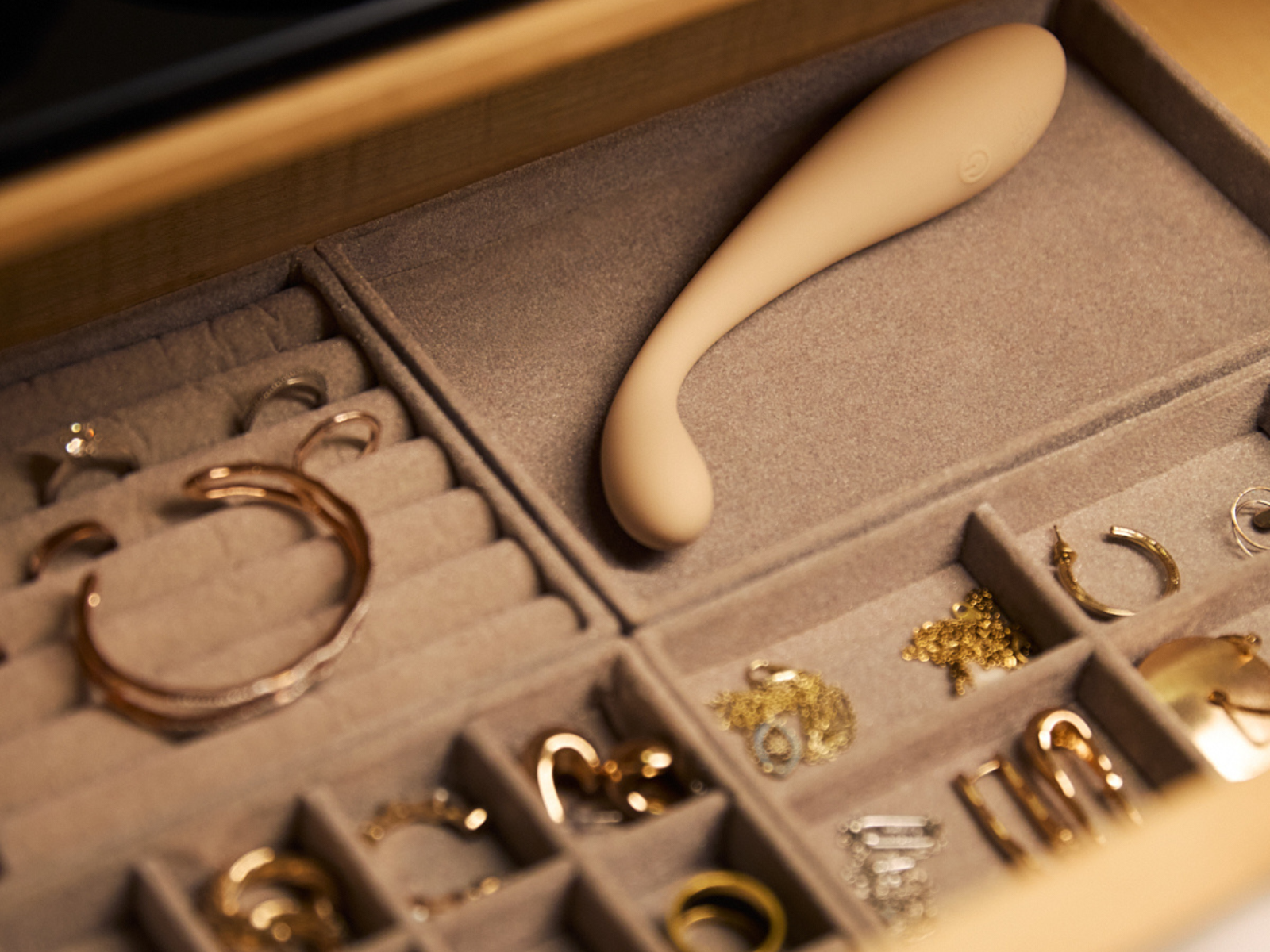
Introduce a device into foreplay, not as a replacement for partner involvement. Celeste in a partner's hands provides consistent external stimulation that is genuinely difficult to replicate manually over a sustained period. The Velvet Vibes app controls intensity and patterns, which removes the mechanical focus from the giving partner and allows both people to stay present.
Read more about sexual wellness as a practice and what actually blocks orgasm if you want the full picture. The numbers in this article describe a problem. The links above describe the solution.
Frequently Asked Questions
How long should foreplay last?
Research suggests that adequate physiological arousal for most women takes 15 to 25 minutes. This means foreplay of at least 15 to 20 minutes before penetration is recommended for comfort and pleasure. Surveys consistently show most couples spend significantly less time than this, which directly affects comfort, lubrication, and orgasm frequency.
What counts as foreplay?
Foreplay includes any physical or mental stimulation that builds arousal before or during sex: kissing, touching, massage, oral stimulation, manual stimulation, use of a vibrator, audio or visual content that builds anticipation, and any communication that creates emotional closeness. Penetration is not the starting point of sex. It is one element within a broader experience.
Why is foreplay important for women?
Female arousal involves physical processes, including vaginal lubrication and expansion, that take time to develop. Penetration before these processes are complete is uncomfortable. Additionally, approximately 70% of women require external clitoral stimulation to reach orgasm, which penetration alone does not provide. Adequate foreplay is the physiological foundation for comfortable, pleasurable sex for most women.
Why do men skip foreplay?
Primarily because of how sex is portrayed in films, pornography, and cultural scripts, which dramatically compress or omit the arousal phase. Male arousal is faster than female arousal on average, so a male partner who is ready quickly may not recognise that their partner is not. Without education about female arousal physiology, the gap is invisible until it becomes a problem.
Does foreplay help with pain during sex?
Yes, directly. Pain during penetration is frequently caused by insufficient arousal and inadequate natural lubrication. Adequate foreplay gives the body time to produce lubrication and for the vaginal canal to expand, both of which reduce friction and discomfort significantly. If pain persists even with extended foreplay and lubricant use, a gynaecologist can rule out physical causes.
How do you talk to your partner about wanting more foreplay?
Outside of the sexual moment, framing the conversation around what feels good rather than what is lacking works better. "I feel much more into it when we slow down at the start" is more productive than "you rush through it." Sharing specific information, like the arousal timeline research, can help a partner understand this as physiology rather than criticism.
Can devices help with foreplay?
Yes. External vibrators like Celeste provide sustained clitoral stimulation that is consistent and adjustable, which is genuinely difficult to replicate with hands alone over time. Wearables like Whisper can be used during foreplay while both partners remain engaged with each other. Audio content from Velvet Stories builds mental arousal before physical contact begins. Devices do not replace partner involvement; they extend and enrich it.
Read more
Most people spend more time choosing a pair of earphones than they do choosing their first vibrator. Then they buy the wrong one, use it twice, and assume the whole category is not for them. The pr...

75% of women cannot orgasm from penetration alone. Between 10 and 15% have never had one at all. And the majority of adults, men and women, have experienced stretches where orgasm felt completely o...
Leave a comment
All comments are moderated before being published.
This site is protected by hCaptcha and the hCaptcha Privacy Policy and Terms of Service apply.