



The Orgasm Gap Is Real. Here's What the Research Says.
Heterosexual men orgasm during sex about 95% of the time. Heterosexual women? Around 65%. That 30-point difference has a name. It is called the orgasm gap, and it is one of the most well-documented findings in sexual health research.
It is also almost never talked about in India. Which means millions of women are quietly wondering if something is wrong with them, when the data says the problem has nothing to do with them at all.
This article covers what the research actually shows, why the gap exists, and what genuinely closes it.
What the Numbers Actually Show
The orgasm gap was documented comprehensively in a 2018 study by researchers at Indiana University and Chapman University, published in the Archives of Sexual Behavior. It surveyed over 52,000 adults in the United States and found:
· Heterosexual men: 95% orgasm rate during sex with a familiar partner
· Gay men: 89%
· Bisexual men: 88%
· Lesbian women: 86%
· Bisexual women: 66%
· Heterosexual women: 65%
The lesbian figure matters enormously. Women having sex with women orgasm at rates close to men having sex with men. The gap is not anatomical. It is not about female bodies being difficult or complicated. When the same body is with a partner who knows what to focus on, the numbers change completely.
The gap is about what sex typically prioritises. And what it typically ignores.
Why the Gap Exists
The research points to three consistent drivers.
What counts as sex. In heterosexual encounters, penetration is still widely treated as the main event. But studies consistently show that the majority of women do not orgasm from penetration alone. The clitoris, which extends internally as well as externally, is the primary organ of female pleasure. It is largely unaddressed by penetration-focused sex.
Priya, a 27-year-old in Mumbai, spent three years assuming she was the problem. "I thought I just couldn't. My friends didn't talk about it, I had nothing to compare to." She was not the problem. The script was.
The vocabulary gap. Men generally grow up with more language and cultural permission to know, name, and communicate what they want sexually. Women often do not. Without the vocabulary or the permission, preferences go unexpressed. Unexpressed preferences go unmet. The gap compounds.
The knowledge gap. Our earlier piece on whether vaginal orgasms are real covers the anatomy in detail. The short version: most orgasms in people with vaginas involve clitoral stimulation, directly or indirectly. This is not widely understood, which means a lot of sexual encounters are structured around anatomy that does not deliver the outcome both people want.
The India-Specific Layer
The orgasm gap in India likely runs deeper than global averages, though comprehensive local data is limited. The reasons are structural.
Sexual education in India skips female pleasure entirely. The topic of desire from a woman's perspective is largely absent from mainstream media, family conversations, and clinical settings. Many women reach adulthood with no framework for understanding their own anatomy, let alone communicating about it.
Add to that the cultural asymmetry in how female desire is discussed. Male sexual appetite is expected. Female desire is treated as optional, embarrassing, or inappropriate to mention. The result is that many women in India never develop the language to ask for what they want, which means they often do not get it.
This is not a personal failing. It is a predictable outcome of the information environment most Indian women grow up in.
What Actually Closes the Gap
The research is consistent on this too. The same Indiana University study found that women who orgasm more often share three behaviours with high frequency: they ask for what they want during sex, they engage in more varied sexual activity including oral sex and manual stimulation, and they communicate with their partners outside the bedroom about what they enjoy.
Communication is the single biggest factor. Not technique. Not anatomy. Communication.
The second factor is direct clitoral stimulation, whether through partnered activity or through personal exploration. Women who understand their own bodies and have explored solo pleasure are significantly more likely to orgasm with a partner. Solo exploration is not a consolation prize. It is foundational knowledge.
This is where tools designed specifically for female anatomy make a measurable difference. External massagers designed for clitoral stimulation are not a niche product. They are the logical response to decades of research on what female pleasure actually requires.
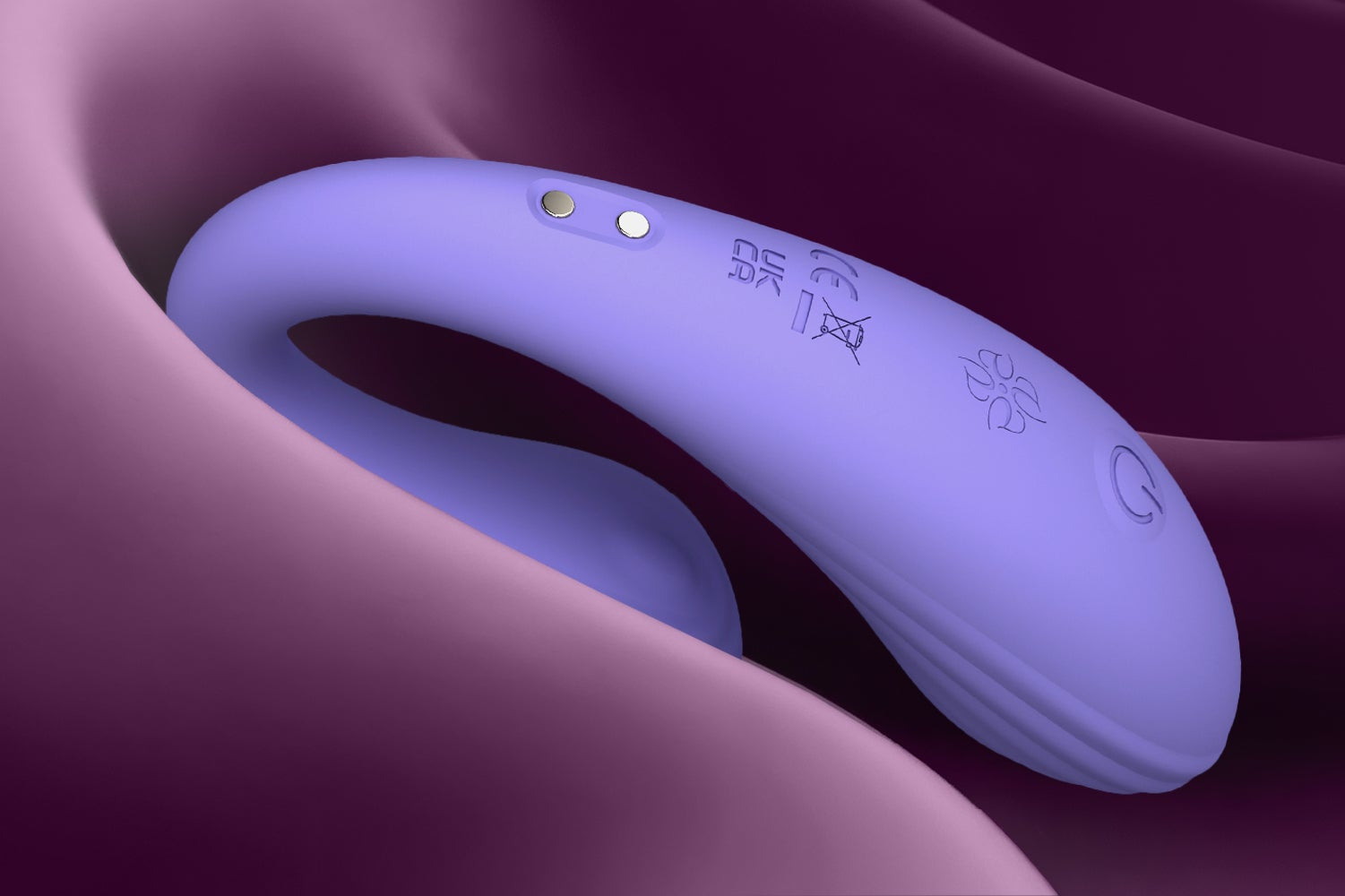
If you want to explore, the Celeste and the Aurora are both designed around the anatomy that the research points to. Not a guess. A direct application of what the evidence shows.
Not sure which fits you? Take the 60-second quiz and find out.
What to Do With This Information
The orgasm gap is real. It is documented. It is not your fault if you have experienced it. And it is not fixed.
A few things that help, backed by the same research:
Learn your own anatomy. Solo exploration is the fastest route to understanding what works for you. Women who masturbate regularly report higher orgasm rates with partners, because they can communicate from experience rather than guessing.
Change the definition of sex. Penetration is one part of intimacy, not the whole of it. Expanding what counts as sex, to include more time and focus on female pleasure, directly narrows the gap.
Talk about it. Before, during, or after. "I like this" is one of the most useful sentences in a sexual relationship, and most people never say it. Specificity works better than hints.
Try something new, solo first. Exploring with Velvet Stories or a device built for your anatomy gives you real information about your own pleasure, which you can then bring into partnered experiences with more confidence.
Neha, 32, from Delhi, had never orgasmed with a partner in seven years of relationships. She started using a clitoral massager solo. Four weeks later, she had her first partnered orgasm. "I had to know what I actually needed before I could tell anyone else," she said. "That was the whole thing."
That is the whole thing.
Frequently Asked Questions
Is the orgasm gap the same everywhere?
The proportions vary by study and geography, but the pattern is consistent across cultures. Heterosexual women orgasm significantly less often than heterosexual men during partnered sex, and the gap is substantially smaller when women are with female partners. The cause is structural and cultural, not anatomical.
Is it normal to never have orgasmed?
More common than most people know. Research suggests a significant portion of women have never experienced orgasm, and a larger portion have not orgasmed with a partner. It is not a medical condition in most cases. It is usually a combination of anatomy, knowledge, communication, and type of stimulation. All of those are addressable.
Does the orgasm gap matter if both partners are satisfied?
Satisfaction and orgasm are related but not identical. Some people have fulfilling sexual experiences without orgasm, and that is valid. The concern with the gap is not about mandatory outcomes. It is about the assumption that female pleasure is secondary, which leaves many women feeling like something is wrong with them when the issue is simply what sex has historically been designed around.
What if I have tried and it just does not happen?
Worth speaking to a doctor if it is a persistent concern, as some physical and psychological factors can affect arousal and orgasm. For most people, though, the path forward involves exploring solo first, understanding your own anatomy, and building the communication skills to ask for what works. Start there before assuming a deeper problem.
The Numbers Are Not the Point
The orgasm gap is not a competition. The point is not to achieve parity for its own sake.
The point is that a lot of women spend a lot of time in intimate situations that do not serve them, and many assume that is simply how it is. It is not how it is. It is how it has been, by default, in the absence of better information, better communication, and tools designed around female anatomy.
All three of those things are available now.
Explore devices designed around what the research actually shows, or download the Velvet Vibes app free and start exploring at your own pace.
Velvet Rituals is India's sexual wellness platform: app-connected smart massagers, an AI partner, and 75+ spicy audio stories, all in the free Velvet Vibes app. Discreet packaging. End-to-end encrypted. Built in India.
Read more

Meera was 26 when she first admitted to herself that sex had always been painful. Not occasionally uncomfortable. Consistently painful, every single time. She had never said anything because she as...
Neha had been thinking about it for three months. She'd added it to cart twice, both times at midnight, both times closed the tab before checkout. Not because she didn't want it. Because nobody aro...
Leave a comment
All comments are moderated before being published.
This site is protected by hCaptcha and the hCaptcha Privacy Policy and Terms of Service apply.