



Why Does Sex Hurt? Common Causes and What Actually Helps
Meera was 26 when she first admitted to herself that sex had always been painful. Not occasionally uncomfortable. Consistently painful, every single time. She had never said anything because she assumed it was normal. Because nobody had ever told her it was not supposed to hurt. It took her three years, a new relationship, and a frank conversation with a gynaecologist to find out she had vaginismus, a common and very treatable condition. Three months later, sex was no longer something she dreaded.
If sex hurts for you, you are not broken and you are not alone. Why does sex hurt is one of the most searched health questions in India, and the answer is almost never "it is just supposed to feel that way."
This guide covers every real cause of painful sex, what each one means, and what actually helps. You deserve that information without shame attached.
Why Does Sex Hurt? You Are Not Imagining It
The medical term for painful sex is dyspareunia. It affects up to 75% of women at some point in their lives, according to the American College of Obstetricians and Gynecologists. Men experience it too, though it is reported far less often.
Pain during or after sex is not a personal failing. It is information. Your body is telling you that something needs attention, whether that is more lubrication, a medical conversation, a slower pace, or a different kind of touch.
The worst thing you can do is push through it repeatedly and say nothing. Pain that is ignored tends to get worse, not better, and the psychological impact of dreading intimacy compounds over time.
Why Does Sex Hurt? The Physical Causes
Most cases of painful sex have a straightforward physical explanation. Here are the most common ones.
Vaginal Dryness
This is the single most common reason sex hurts, and it is almost entirely fixable. When there is not enough natural lubrication, friction causes discomfort, irritation, and sometimes tearing of delicate tissue.
Vaginal dryness can be caused by:
· Not enough arousal time before penetration
· Hormonal contraception (the pill reduces natural lubrication in some people)
· Breastfeeding or perimenopause
· Stress, which suppresses the body's arousal response
· Antihistamines and certain antidepressants
The fix is usually simple: more foreplay, more time, and a good lubricant. Water-based lubricant is the safest option because it is compatible with latex condoms, gentle on sensitive skin, and safe for use with intimate devices.
Our Pure water-based lubricant is pH-balanced, unscented, and designed for sensitive skin. If you prefer a light scent, Neroli is the same formula with a subtle botanical note. Both ship discreetly across India.
Vaginismus
Vaginismus is an involuntary tightening of the pelvic floor muscles that makes penetration painful or impossible. It is more common than most people realise, and it is not a character flaw or a sign that something is wrong with you emotionally.
It can be triggered by anxiety, previous painful experiences, medical trauma, or simply never having been given the right tools to relax. It is also very treatable. Pelvic floor physiotherapy, gradual desensitisation exercises, and sometimes therapy have high success rates.
Infections and Skin Conditions
Thrush (a yeast infection), bacterial vaginosis, and sexually transmitted infections can all cause pain, burning, or irritation during sex. These are medical conditions, not lifestyle judgments. If pain is accompanied by unusual discharge, itching, or odour, a gynaecologist visit is the right next step.
Skin conditions like lichen sclerosus can also cause pain in the vulval area, and are often misdiagnosed or missed for years. A specialist can help.
Deeper Pelvic Pain
Pain felt deep inside during sex, rather than at the entrance, can signal conditions like endometriosis, ovarian cysts, fibroids, or pelvic inflammatory disease. According to research published on PubMed, endometriosis affects around 10% of women of reproductive age globally and is significantly underdiagnosed.
Deep pain during sex that is persistent warrants investigation. It does not go away on its own.
When the Mind Makes Sex Hurt
Physical and psychological causes of painful sex are not separate categories. They interact constantly.
Simran, 31, from Chennai, had been with her partner for two years before she could identify why sex felt tense and uncomfortable. There was no infection, no obvious physical cause. What she eventually worked through with a therapist was a combination of performance anxiety and a deep, unspoken belief that her own pleasure was not the point. Once that changed, the physical discomfort largely disappeared on its own.
Anxiety causes the body to tense muscles involuntarily, including the pelvic floor. Stress suppresses arousal. Past negative experiences, even ones that felt minor at the time, can create physical guarding responses that persist for years.
This is not weakness. It is neurobiology. And it responds well to the same things that help with most anxiety: gradual exposure, safety, and self-knowledge.
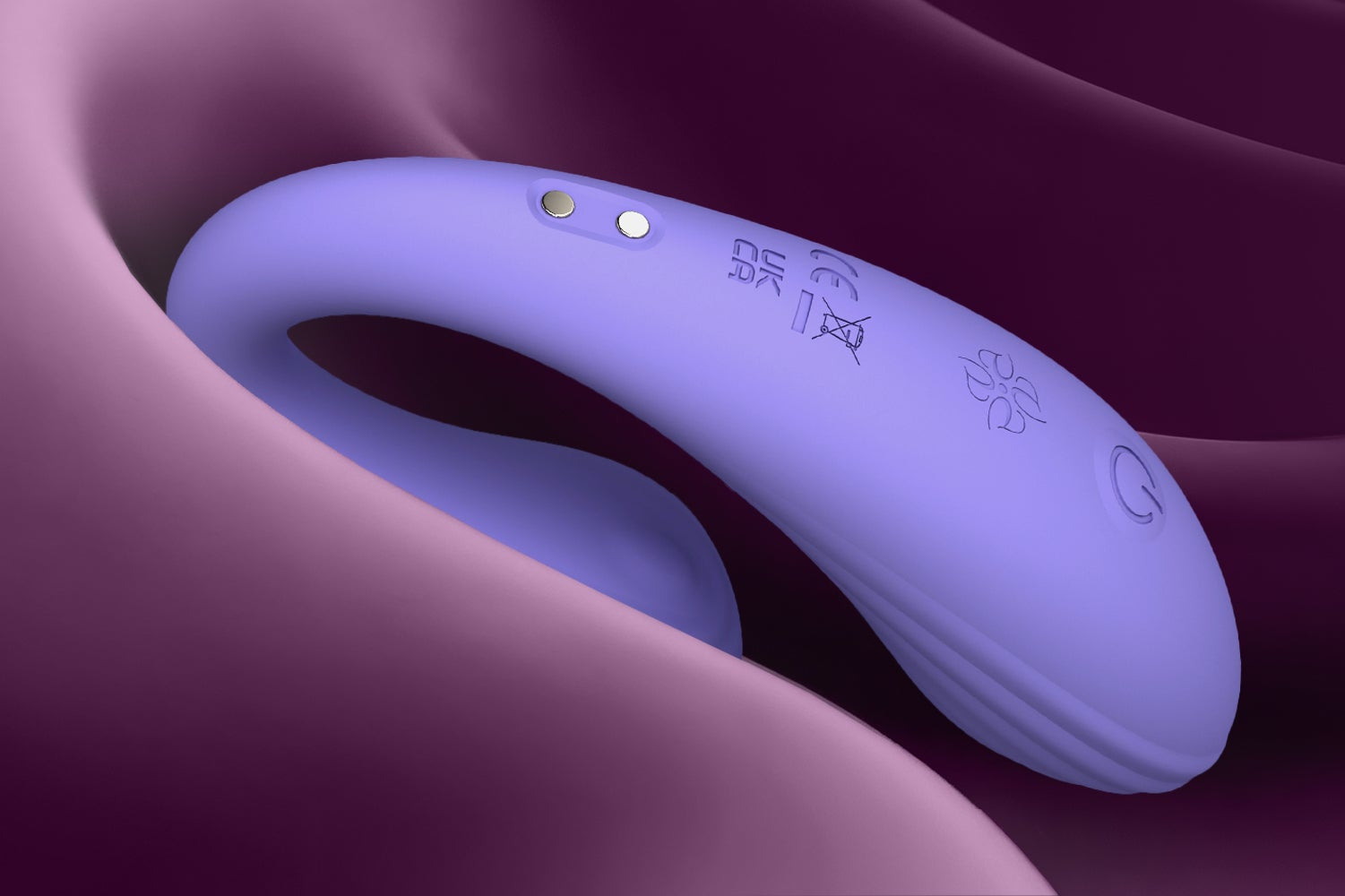
Solo exploration can be a genuinely useful part of this process. Understanding your own body without the pressure of a partner's expectations helps rebuild the connection between your mind and your physical responses. The women's collection at Velvet Rituals is designed exactly for this, with devices made from certified medical-grade silicone that are gentle, body-safe, and completely yours to explore at your own pace.
Why This Conversation Is So Hard in India
Here is the part nobody talks about. In India, most people grow up with zero useful sexual education. Pain during sex is not something you were taught to name, report, or fix. Women in particular are often told to "just relax" or that discomfort is normal at first. Men are rarely taught that their partners might be in pain at all.
The result is that millions of people have painful sex for years without ever knowing that help exists. A 2021 survey by a women's health platform found that more than 60% of Indian women who experienced pain during sex had never discussed it with a doctor.
That silence has a cost. Treatable conditions go untreated. Relationships carry an unspoken weight. Intimacy becomes something to endure rather than enjoy.
You are reading this because you already decided the silence is not worth it. That is the hardest step.
What Actually Helps When Sex Hurts
Depending on the cause, here is what the evidence supports.
More arousal time before penetration. This is the most underused tool available. Arousal increases natural lubrication, relaxes pelvic muscles, and changes the position of the cervix. Fifteen to twenty minutes of foreplay is not unusual for many women's bodies to reach full readiness.
A quality water-based lubricant. Use it generously. There is no such thing as using too much. Lube is not a sign of insufficient arousal; it is a practical tool that makes sex more comfortable for everyone involved. Explore our full lubricant and accessories range if you are not sure where to start.
Communication before and during sex. Telling a partner what hurts and what helps is not a mood killer. It is the foundation of sex that actually works. If that conversation feels difficult, our guide to yoni massage and body awareness is a gentle starting point.
Solo exploration. Learning what feels good on your own, without pressure, is one of the most practical things you can do before bringing a partner into the equation.
Medical support. If pain is persistent, deep, or accompanied by other symptoms, see a gynaecologist. Many causes of painful sex are highly treatable once properly diagnosed. You deserve that care.
Pain Is Information, Not Punishment
Parvati, 34, spent four years telling herself that sex was just not something she enjoyed. She was not wired for it. It took one conversation with a friend who casually mentioned using lubricant before sex for Parvati to realise she had never once used it. That conversation changed everything. Within weeks, sex went from something she avoided to something she looked forward to.
Why does sex hurt? Sometimes the answer is simple. Sometimes it is layered. But it always has an answer, and that answer is almost never that you are stuck this way forever.
Get the information. Try the lubricant. Talk to the doctor. Explore your own body first. Start the conversation.
Browse our full collection or visit our FAQ if you have questions about our products, materials, or how to get started discreetly.
Frequently Asked Questions
Why does sex hurt for women?
The most common reasons sex hurts for women include insufficient lubrication, vaginismus (involuntary pelvic floor tension), vaginal infections, skin conditions, endometriosis, or psychological factors like anxiety. Most causes are treatable once identified. Persistent painful sex should always be discussed with a gynaecologist.
Why does sex hurt the first time?
First-time sex can be uncomfortable due to a combination of natural dryness from nervousness, the hymen stretching or tearing in people who have one, and unfamiliarity with the sensations. Using lubricant, taking more time for arousal, and communicating with a partner all reduce discomfort significantly.
Can anxiety cause sex to hurt?
Yes. Anxiety causes involuntary tensing of the pelvic floor muscles, which makes penetration painful. Stress also suppresses the body's arousal response, reducing natural lubrication. Addressing anxiety through therapy, gradual self-exploration, and a supportive partner environment often resolves the physical pain over time.
What is the best lubricant for painful sex?
Water-based lubricant is the safest and most versatile choice. It is compatible with latex condoms, gentle on sensitive tissue, and safe for use with silicone devices. Look for a pH-balanced, unscented formula, especially if your skin is sensitive. Avoid oil-based lubricants with condoms, as they degrade latex.
When should I see a doctor about painful sex?
See a doctor if pain is persistent across multiple encounters, felt deep inside rather than at the entrance, accompanied by unusual discharge or bleeding, or not improved by lubricant and more arousal time. Conditions like endometriosis, pelvic inflammatory disease, and vaginismus all benefit significantly from early medical attention.
Is painful sex normal in India?
Painful sex is common in India, largely due to lack of sexual education and cultural stigma that discourages women from reporting pain. It is not, however, normal in the sense of being acceptable or unavoidable. Most causes of painful sex are treatable. The barrier is usually access to information and willingness to seek it, not the condition itself.
What products help with painful sex?
A pH-balanced water-based lubricant is the most immediate practical tool. For those exploring their bodies solo before or between partnered sex, body-safe massagers made from medical-grade silicone are gentle and designed for gradual, comfortable exploration. Velvet Rituals is an Indian sexual wellness brand offering both, with certified body-safe materials, discreet packaging, and shipping across India.
Read more

Nobody handed you a roadmap. School gave you a diagram of a flower and a stern face. Your parents changed the subject. And the internet was not exactly peer-reviewed. Most of us figured out how to ...
Neha had been thinking about it for three months. She'd added it to cart twice, both times at midnight, both times closed the tab before checkout. Not because she didn't want it. Because nobody aro...
Leave a comment
All comments are moderated before being published.
This site is protected by hCaptcha and the hCaptcha Privacy Policy and Terms of Service apply.