


Which Lubricant Should You Use? Everything India Was Never Told
Most people in India either skip lubricant entirely or grab whatever is nearby - coconut oil, moisturiser, something that seemed fine in the moment.
Both approaches cause problems that are entirely avoidable. Lubricant for sex is not a luxury or a sign that something is wrong with your body. It is basic harm reduction, and choosing the right type matters more than most people realise.
This guide covers every question worth asking: what the types are, which works for which situation, what to avoid and why, and how to actually use it. No jargon. Just the information that keeps things comfortable and safe.
First: Why Lubricant Is Not Optional
Natural lubrication is produced by the body during arousal. It varies between individuals and across the same individual depending on hydration, hormonal cycle, stress, medication, and arousal time. Even with full arousal, natural lubrication is often insufficient for comfortable, extended sexual activity.
Friction without adequate lubrication causes microscopic tears in genital tissue. Those tears increase the risk of infection and STI transmission, cause discomfort during and after sex, and gradually make the experience less appealing, which reduces desire over time. Research on sexual comfort consistently shows that lubricant use is associated with significantly higher sexual satisfaction and lower rates of pain and irritation.
This applies to everyone, regardless of gender, age, or relationship length. Needing lubricant does not mean you are not aroused. It means you are treating your body sensibly.
Pure is Velvet Rituals' unscented water-based lubricant. pH-balanced, fragrance-free, compatible with all condoms and silicone devices. If you want exactly one lubricant that works in every situation, this is it.
The Three Types - and What Each One Actually Does
Water-Based Lubricant
What it is: A lubricant with a water base, often thickened with a safe ingredient like hydroxyethylcellulose. It feels close to natural lubrication in texture.
What it works with: Everything. Water-based lubricant is the only type that is safe with all condom materials (latex, polyisoprene, polyurethane) and all toy materials including silicone. It is the universal choice.
The limitation: It absorbs into the skin and dries out over time, which means you may need to reapply during longer sessions. This is the only meaningful downside.
When to use it: Always. For penetrative sex, device use, manual stimulation, or any intimate activity. If you are going to have one lubricant, make it water-based.
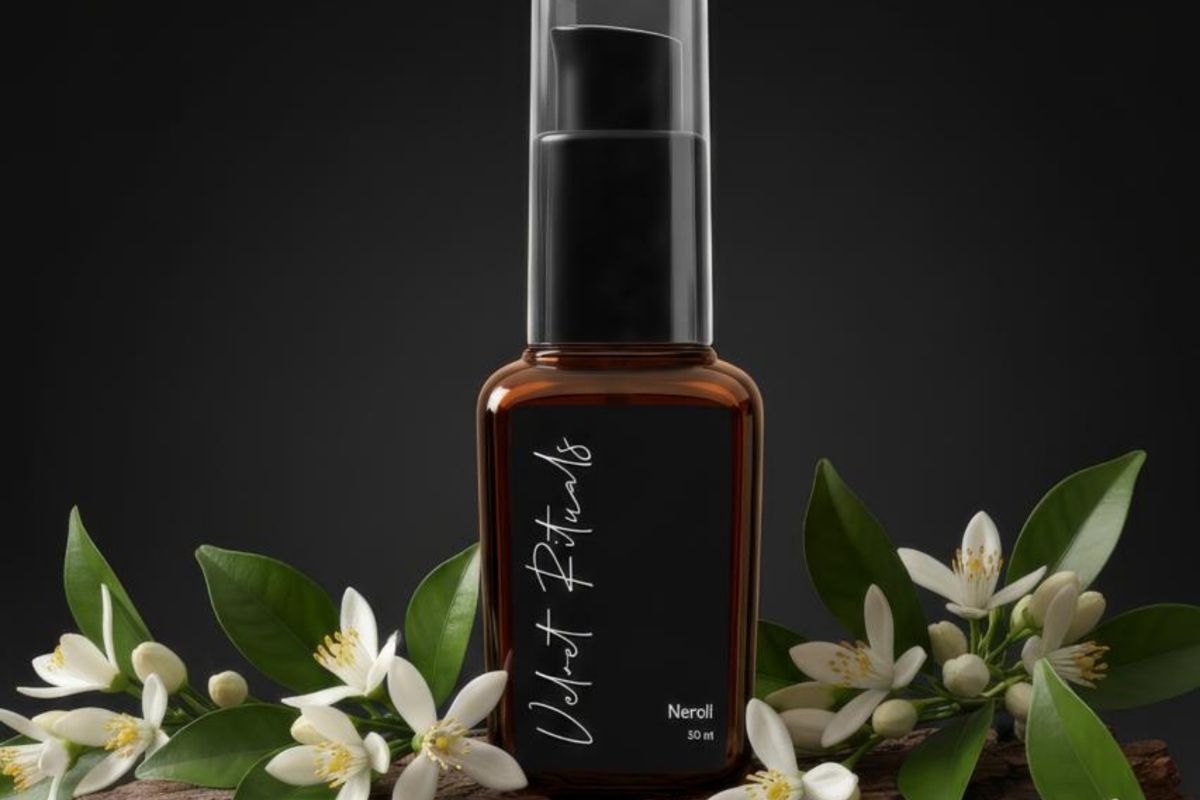
Velvet Rituals makes two water-based options. Pure is completely unscented, ideal for sensitive skin or anyone who wants nothing added. Neroli has a light neroli fragrance for couples who want a sensory element. Both are pH-balanced and body-safe. The Neroli + Pure bundle lets you try both.
Silicone-Based Lubricant
What it is: A lubricant made from silicone compounds. Thicker and longer-lasting than water-based because it does not absorb into the skin.
What it works with: Latex condoms and skin. That is the full list.
What it does not work with: Silicone toys. Silicone-based lubricant bonds with silicone toy surfaces at a molecular level, degrading the material and making it impossible to clean properly. Using silicone lubricant on body-safe silicone devices permanently damages them.
When to use it: Water-based activities where reapplication is inconvenient, or situations without toys. Not recommended as a first choice for most people in India given how frequently toys are involved.
Oil-Based Lubricant
What it is: Any oil used as lubricant - coconut oil, baby oil, moisturiser, petroleum jelly, kitchen oils.
What it works with: Skin, technically.
What it does not work with: Latex or polyisoprene condoms (oil degrades these materials and causes them to break), silicone toys, or vaginal use by anyone prone to infections. Oil is not water-soluble, which means it is difficult to rinse from tissue and disrupts the vaginal pH balance, increasing the risk of bacterial vaginosis and yeast infections.
When to use it: For external body massage when no condom or internal activity is involved. That is a very narrow use case.
This is the category where most improvised lubricant choices fall. Coconut oil is frequently recommended in wellness content as a natural lubricant. It is natural. It is also incompatible with condoms and disrupts vaginal flora. The natural origin does not make it internally safe for all uses.
The Right Lube for Every Situation
Penetrative sex with a condom: Water-based only. Pure or Neroli. Full stop.
Penetrative sex without a condom, no toys involved: Water-based or silicone-based. Water-based is the easier choice because it is easier to clean up.
Using a silicone vibrator or massager: Water-based only. Silicone lubricant will damage the device.
Manual stimulation, external only: Any lubricant works here. Water-based is still the simplest choice.
Anal sex: This requires more lubricant than vaginal sex because the anus does not produce natural lubrication. Water-based lubricant works well, though it needs more frequent reapplication. A thicker water-based formula is preferable.
Sensitive skin: Fragrance-free, glycerin-free, paraben-free water-based lubricant. Pure is formulated for exactly this situation.
Long sessions where reapplication is inconvenient: Silicone-based if no toys are involved. Water-based with regular reapplication if toys are included.
What to Look For and What to Avoid
Look for: Water-based formula, pH-balanced (vaginal pH is between 3.8 and 4.5), fragrance-free if you have sensitive skin, free from glycerin and parabens.
Avoid:
Glycerin: A common ingredient in flavoured lubricants. It is a sugar derivative that disrupts vaginal flora and increases the risk of yeast infections when used internally.
Parabens: Preservatives used in some lubricants. Linked to hormonal disruption in some studies. Worth avoiding for regular intimate use.
Fragrance or flavouring for internal use: Fragrance that is fine on skin can be highly irritating to mucous membranes. Flavoured lubricants are designed for oral use on external anatomy, not internal use.
Warming or tingling agents: Capsaicin or menthol-based warming effects are not appropriate for internal use and can cause significant irritation.
Household oils and lotions: Not pH-balanced, not condom-compatible, not designed for genital tissue.
How to Actually Use It
Lubricant is not a last resort you reach for when things feel uncomfortable. It works best applied from the beginning, before any friction occurs.
Apply a small amount to external anatomy, to the device if one is being used, or to the partner's anatomy before penetration. Reapply as needed during the experience. There is no such thing as too much lubricant. There is such a thing as too little.
Sana, 28, from Hyderabad, had never used lubricant in three years of sexual activity. "I thought it was something people used when they were older or when something was wrong," she said. She started using Pure after a gynaecologist mentioned it during a routine appointment. "The difference was immediate. Everything was more comfortable, I was more relaxed, and weirdly I felt more present. Less focused on managing discomfort."
That shift from managing discomfort to being present is what lubricant actually does, and it is the part nobody mentions.
Rajan, 34, from Pune, tried coconut oil for two years based on something he read online. After his partner experienced recurring infections, a gynaecologist identified the oil as the likely cause. Switching to pH-balanced water-based lubricant resolved the problem within a month. The "natural" option was the less safe one.
How It Connects to Everything Else
Lubricant is one part of a broader picture. Foreplay builds natural lubrication, and lubricant supplements it. First-time sex is significantly more comfortable with lubricant from the start. Sexual wellness over time includes small consistent choices that protect tissue, reduce irritation, and make intimacy more reliable.
Browse our accessories range for the full lubricant options. Discreet packaging. Delivered across India.
Frequently Asked Questions
Do I need lubricant even if I produce natural lubrication?
Yes, in most cases. Natural lubrication varies with arousal level, hydration, hormonal cycle, stress, and medication. Even with full arousal, natural lubrication is often insufficient for comfortable extended activity. Lubricant supplements rather than replaces natural lubrication and consistently reduces friction and discomfort.
Is lubricant safe to use internally?
Water-based, pH-balanced, fragrance-free lubricant is safe for internal vaginal and anal use. Avoid lubricants containing glycerin, parabens, fragrance, and warming or tingling agents for internal use. Oil-based lubricants are not safe for internal vaginal use as they disrupt pH balance and increase infection risk.
Can I use coconut oil as lubricant?
Not internally, and not with condoms. Coconut oil degrades latex and polyisoprene condoms, increasing the risk of breakage. Used internally, it disrupts vaginal pH balance and increases the risk of bacterial vaginosis and yeast infections. For external massage without condoms or internal activity, it is generally safe.
Which lubricant is safe with silicone sex toys?
Water-based lubricant only. Silicone-based lubricant bonds with silicone toy surfaces and permanently degrades the material. Oil-based lubricants can also damage some toy materials. Always use water-based lubricant with medical-grade silicone devices.
Which lubricant is safe with condoms?
Water-based lubricant is safe with all condom materials including latex, polyisoprene, and polyurethane. Silicone-based lubricant is safe with latex condoms only. Oil-based lubricants degrade latex and polyisoprene condoms and should never be used with these materials.
What is the difference between Pure and Neroli by Velvet Rituals?
Both are water-based, pH-balanced lubricants safe with all condoms and silicone devices. Pure is completely unscented and formulated for sensitive skin. Neroli has a light neroli floral fragrance for couples who want a sensory element. Both are free from glycerin, parabens, and harsh preservatives.
How much lubricant should I use?
Start with a small amount, roughly a teaspoon, applied to relevant anatomy before any friction begins. Reapply as needed throughout the experience. There is no upper limit to how much is appropriate. If things start to feel uncomfortable, more lubricant is almost always the correct response.
Does lubricant affect sensation?
Water-based lubricant reduces friction, which makes sensation more comfortable and often more enjoyable by removing the distraction of discomfort. It does not numb or reduce sensation. Many people report increased pleasure with lubricant use because they are able to focus on sensation rather than managing irritation.
Read more

You have questions you do not know how to ask out loud. You have expectations built from films, from things friends said, from everything except an honest conversation with someone who would tell y...
You have questions you do not know how to ask out loud. You have expectations built from films, from things friends said, from everything except an honest conversation with someone who would tell y...
Leave a comment
All comments are moderated before being published.
This site is protected by hCaptcha and the hCaptcha Privacy Policy and Terms of Service apply.