



To Anyone About to Have Sex for the First Time
You have questions you do not know how to ask out loud. You have expectations built from films, from things friends said, from everything except an honest conversation with someone who would tell you the truth without making it weird.
This is that conversation. Consider it a letter from someone who has read the research, heard from enough people to know what the experience is actually like, and has no interest in making first time sex in India feel more loaded than it already is.
Here is what is actually going to happen, what is normal, what is not, and what to do about the parts that are hard.
The Expectation Problem
Films have a lot to answer for.
The first time in every film is seamless. Both people know exactly what to do. Nobody is nervous. Everything fits. There is eye contact at exactly the right moment. It is over in two minutes and both people look satisfied and slightly radiant.
None of that is what most people experience.
Nisha, 24, from Chennai, got married in December after a two-year engagement. She had been looking forward to the wedding night with a mixture of excitement and nervousness she had been carrying for months. "It was nothing like what I had imagined," she said. "We were both exhausted. He was nervous. I was nervous. Nothing went wrong exactly, but nothing went right either. It took a few weeks before it was actually good." She spent the first three of those weeks quietly convinced she and her husband were somehow incompatible. They were not. They were just two people doing something new and unfamiliar, which takes time.
Nisha's experience is not unusual. It is, statistically, the norm. The first time is rarely the best time. It is a beginning, not a peak.
What Is Physically Happening (And Why It Matters to Know)
For women: The body goes through a specific arousal process before penetrative sex is comfortable. Vaginal lubrication develops, and the vaginal canal lengthens and expands. This process takes time, typically 15 to 25 minutes of genuine arousal. When penetration happens before this process is complete, it is uncomfortable. When it happens long before, it hurts.
This is the single most important piece of information for anyone having penetrative sex for the first time. Pain on the first time is not inevitable. It is often the result of insufficient arousal time and insufficient lubrication. Both of these are addressable.
Research confirms that women who report pain-free first experiences consistently report longer arousal periods and lubricant use. The ones who report significant pain report very short arousal periods and no lubricant. The pattern is not coincidental.
Pure water-based lubricant is not a sign that something is not working. It is what makes the experience comfortable when the body's natural lubrication is not yet fully developed or when nerves are reducing arousal. Use it. From the beginning, not as a last resort.
For men: Nervousness directly affects physical response. The same autonomic nervous system that drives erection, which requires a parasympathetic (relaxed) state, is suppressed by anxiety, which activates the sympathetic (stressed) state. Losing an erection or struggling to maintain one the first time is extremely common and not a physical problem. It is a nervous system response to an unfamiliar, high-stakes situation. It resolves with familiarity and reduced pressure.
The Hymen: What It Is and What It Is Not
This deserves a direct, clear answer because the myths around it cause genuine harm in India.
The hymen is a thin membrane that partially covers the vaginal opening in some people. It is not a seal. It does not fully cover the opening. It varies enormously in shape, thickness, and presence between individuals. Some people are born with very little hymenal tissue. Some people's hymens stretch or thin from physical activity, tampon use, or general development long before any sexual activity occurs.
The hymen does not reliably indicate virginity. It does not always bleed or break during first penetration. Bleeding during first sex, if it occurs, is most commonly a result of insufficient arousal and lubrication causing small tears in the vaginal tissue, not hymenal rupture. With adequate arousal and lubricant, first-time sex does not have to involve bleeding at all.
The cultural weight placed on this tiny piece of tissue has caused immeasurable anxiety, pain, and misunderstanding in India. The WHO's framework on sexual health is clear: sexual health includes freedom from misinformation and fear. This is one of the most important myths to put down.
If you want a judgment-free space to think through questions, anxieties, or things you cannot say out loud yet, Velvet AI is exactly that. Free in the Velvet Vibes app. Private. No history shared with anyone.
How to Actually Prepare
Preparation is not just physical. Both matter.
Practical preparation:
Use contraception if pregnancy is not intended. Know your options before the moment, not during it. Safe sex practices in India covers this in detail.
Have lubricant available and plan to use it from the start, not as a contingency.
Spend time on foreplay - at minimum 15 to 20 minutes of genuine attention before penetration. This is not optional for comfort. This is the preparation.
If you want to understand your own body before being with a partner, solo exploration helps enormously. Knowing what feels good, what your arousal feels like, and how your body responds removes one layer of unfamiliarity from an already unfamiliar situation. A device like Celeste used in the weeks before a first partnered experience is not unusual. It is practical self-knowledge.
Emotional preparation:
Talk to the person you are going to be with. Not a rehearsed conversation. A real one. What are you both nervous about? What do you both want? What will you do if something is uncomfortable? Having these words between you before you are in the moment makes the moment significantly easier.
Arjun, 26, from Mumbai, had been in a relationship for eight months before he and his partner were ready. "The thing that made it actually good was that we had talked about it so much beforehand," he said. "By the time it happened, we already knew what the other person was thinking. There was no guessing." The conversation felt awkward to start. The experience felt much less so.
What Is Normal Afterward
The feelings after a first sexual experience vary more than anyone tells you. Both are normal:
Feeling closer and more connected. Physical intimacy releases oxytocin. You may feel a wave of warmth and attachment. This is biology, and it is real.
Feeling unexpectedly flat, or even tearful. This is also common and also biological. A significant emotional and physical event followed by a hormonal shift can produce a low that surprises people. It does not mean the experience was wrong. It means your nervous system went through something large.
Feeling like it was nothing like what you expected. Most people do. The expectation was assembled from fiction. The experience was real. Real is always different.
Whatever you feel is valid. There is no correct emotional response.
When Something Hurt and You Are Not Sure Why
If the first experience was painful, it is worth understanding why before drawing conclusions.
Pain during first penetration is almost always one of three things: insufficient arousal time, insufficient lubrication, or tension in the pelvic floor muscles from anxiety. All three are addressable. More arousal time, lubricant, and reduced pressure typically resolve this for most people.
Persistent pain, pain that continues across multiple attempts even with adequate arousal and lubricant, warrants a conversation with a gynaecologist. Conditions like vaginismus (involuntary pelvic floor muscle contraction) are common, completely treatable, and nothing to be ashamed of. A gynaecologist can diagnose and provide a treatment path. It is worth going.
Read more about sexual wellness as a lifelong practice and visit our FAQ if you have questions we can help answer directly.
The first time is the beginning of a learning process, not a performance to be evaluated. Give yourself, and whoever you are with, the space to be new at something. Everyone was, once.
Frequently Asked Questions
Does first time sex always hurt?
No. Pain during first penetrative sex is common but not inevitable. It is most frequently caused by insufficient arousal time, lack of lubrication, or anxiety-related pelvic floor tension, all of which are addressable. Research shows that first-time experiences with adequate foreplay (15 to 20+ minutes) and lubricant use are significantly less likely to involve pain. Bleeding is not a guaranteed or necessary part of the experience.
How do I prepare for the first time?
Practical preparation includes having contraception arranged in advance, having water-based lubricant available, and planning for at least 15 to 20 minutes of foreplay before penetration. Emotional preparation means having an honest conversation with your partner about expectations, nervousness, and what to do if something is uncomfortable. Solo exploration beforehand also helps by building self-knowledge about your own arousal.
Is it normal to be nervous the first time?
Yes, completely normal. Nervousness before a first sexual experience is nearly universal. For men, nervousness can affect erection. For women, it can reduce natural lubrication and increase pelvic floor tension. Both are physiological responses to anxiety, not physical problems. Reduced pressure, more time, and more familiarity with a partner typically resolve both.
Does the hymen always bleed the first time?
No. Bleeding during first sex is not inevitable. The hymen varies significantly between individuals in size, thickness, and presence. When bleeding does occur, it is most commonly small tears in vaginal tissue from insufficient arousal and lubrication, not hymenal rupture. With adequate foreplay and lubricant use, first-time sex does not have to involve bleeding.
How long should foreplay last before the first time?
At least 15 to 20 minutes of genuine arousal-building activity before penetration. This is the time the body needs to develop natural lubrication and for the vaginal canal to expand and become comfortable for penetration. Rushing this process is the primary cause of discomfort during first-time sex.
Is it normal to feel emotional or sad after sex for the first time?
Yes. Post-sex emotional drops, sometimes called post-coital dysphoria, can follow significant sexual experiences even when the experience was positive. A hormonal shift after physical intimacy can produce feelings ranging from closeness and warmth to unexpected sadness or flatness. Both are normal physiological responses. If strong emotional distress persists, speaking to a counsellor is a reasonable step.
What lubricant should I use for the first time?
A water-based, unscented, pH-balanced lubricant. Water-based lubricant is compatible with all condoms and intimate devices, is gentle on sensitive tissue, and does not disrupt vaginal pH. Pure by Velvet Rituals is formulated specifically for intimate use. Use it from the beginning of the experience, not only when discomfort appears.
Read more
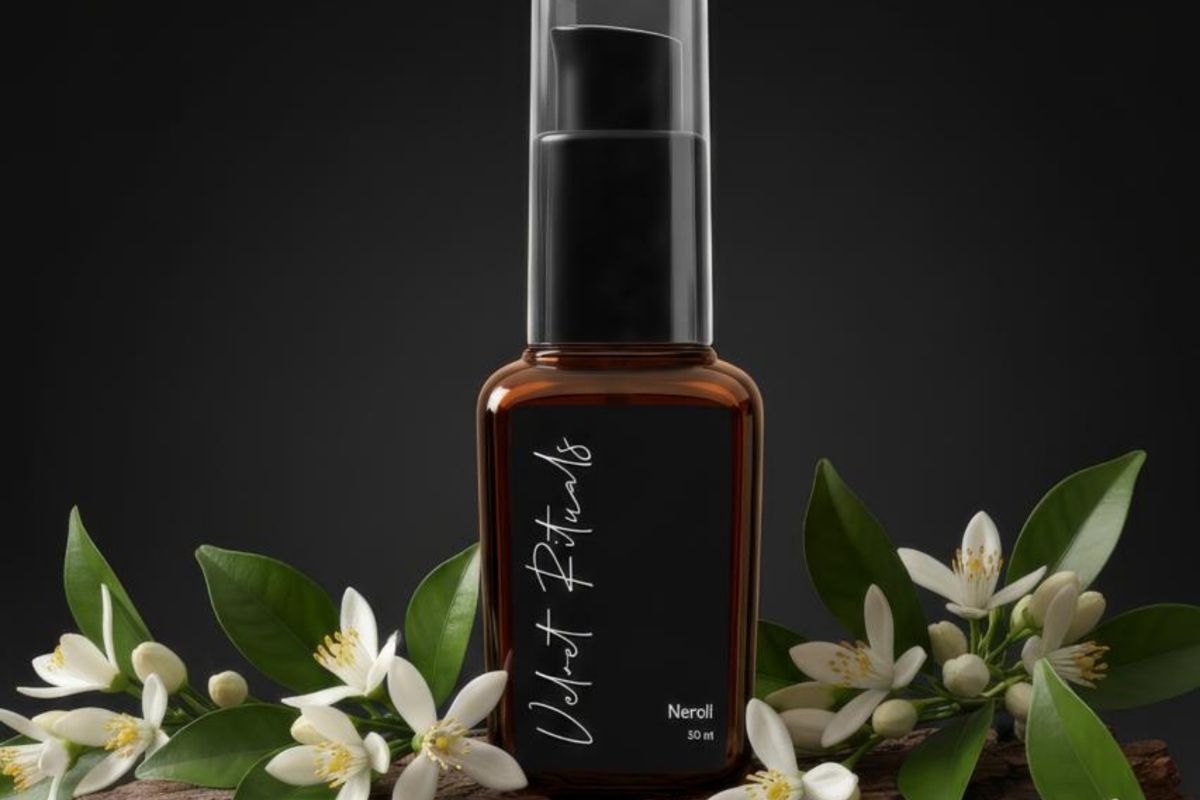
Most people in India either skip lubricant entirely or grab whatever is nearby - coconut oil, moisturiser, something that seemed fine in the moment. Both approaches cause problems that are entirely...
Most people in India either skip lubricant entirely or grab whatever is nearby - coconut oil, moisturiser, something that seemed fine in the moment. Both approaches cause problems that are entirely...
Leave a comment
All comments are moderated before being published.
This site is protected by hCaptcha and the hCaptcha Privacy Policy and Terms of Service apply.